

You may ask if Led Par Light is better than old stage lights. The answer depends on what your stage needs. Let’s see what is important:
| Factor | LED Par Lights | Traditional Stage Lighting |
| Energy Efficiency | Uses less power, saves money, and helps the planet. | Uses more power and costs more to use. |
| Color Control | Gives many color choices with RGB technology. | Needs extra things to change colors. |
| Cost | Costs more at first but saves money later. | Cheaper to buy but costs more to keep working. |
| Maintenance | Lasts longer and needs fewer fixes. | Needs more care and more bulb changes. |
| Environmental Impact | Better for the earth and makes less waste. | Makes more pollution and waste from using energy. |
Key Takeaways
- LED Par Lights need less energy. This saves you money. It also helps the environment.
- LED technology lets you change colors easily. You can make cool effects. You do not need gels or filters.
- LED lights last much longer than old bulbs. You do not have to replace them often. This means less work for you.
- LED Par Lights cost more at first. But you save money later. They are cheaper to use over time.
- LED Par Lights are safer outside. Many are weatherproof. They do not get very hot. This lowers fire risks.
Energy Efficiency
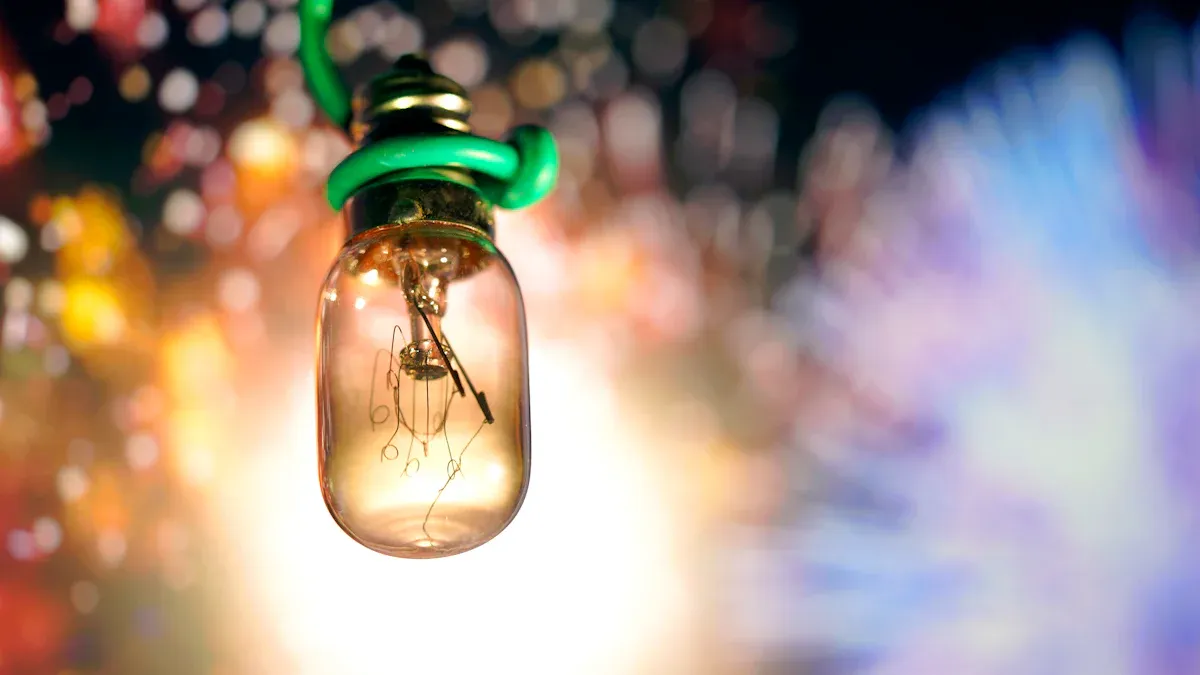
Energy Use: LED Par Light
When you look at energy use, Led Par Light stands out. You get bright light, but you use much less power. Most LED Par Lights, like the AH027 model, only need about 8 watts for each LED chip. That’s a big difference compared to old stage lights. You can run a whole set of LED Par Lights and still save on your electric bill.
- Traditional incandescent bulbs use between 250 watts and 1000 watts.
- Led Par Light can cut energy use by 60–70% compared to those older lights.
You might wonder if you lose brightness with less power. You don’t. LED PAR lights give you the same, or even better, illumination. You get strong colors and clear beams, all while using less energy. This means you can light up your stage and still help the planet. Lower energy use also means less heat, so your stage stays cooler.
Tip: If you want to save money and energy, switching to Led Par Light is a smart move.
Energy Use: Traditional
Traditional stage lighting uses a lot more power. Incandescent and halogen bulbs need much higher wattage to shine as bright as LEDs. You might see fixtures that use 500 watts or even 1000 watts each. That adds up fast, especially if you have a big stage or a long show.
These lights also waste energy by giving off heat. You pay for electricity, but some of it just turns into warmth, not light. This can make your stage hot and uncomfortable. You also spend more on your electric bill over time. If you care about saving energy and money, traditional lights make it harder.
Note: Old stage lights can still give you great brightness, but they use much more power to do it.
Color Control
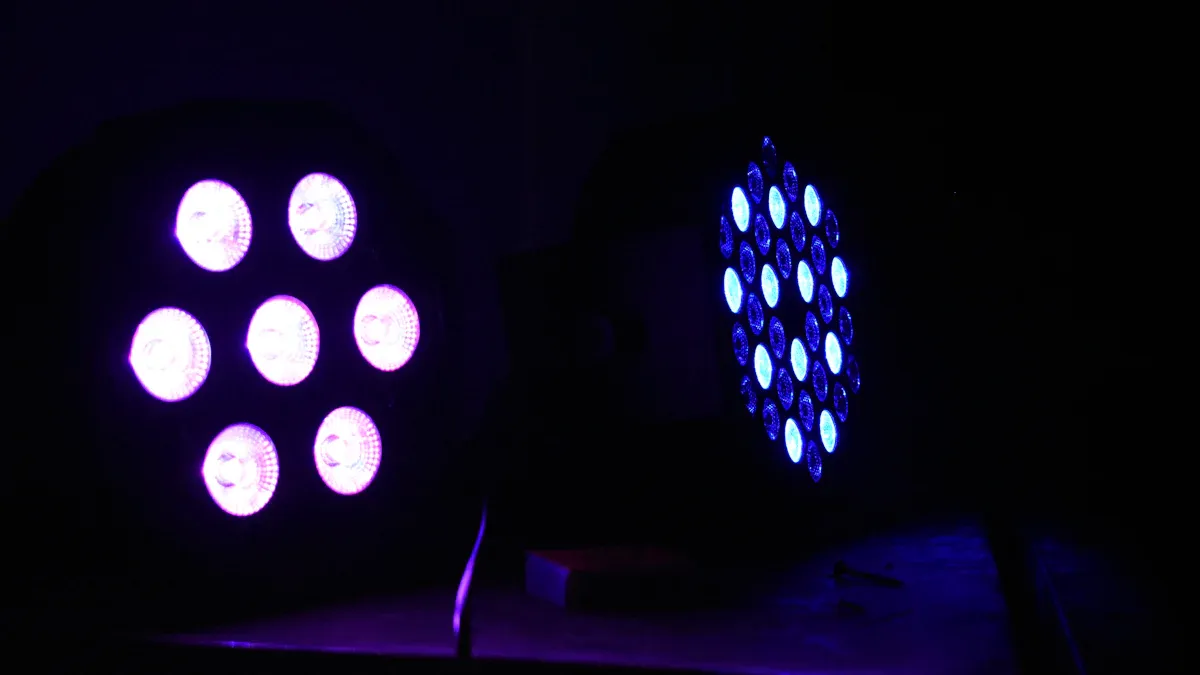
Color Options: LED Par Light
When you want to create amazing colors on stage, Led Par Light gives you a lot of power. These lights use digital color mixing, like RGB, RGBW, or even RGBA. This means you can blend red, green, blue, and white light to make almost any color you want. You just press a button or use a controller, and the color changes right away. No need to stop the show or climb up to the lights.
You get a huge range of colors. Some models, like the Color Pick LED Par Q190, have 19 strong RGBW LEDs. You can make bright reds, cool blues, soft pastels, or even pure white. Many Led Par Light fixtures also offer color macros, so you can pick from 64 preset colors in standalone mode. If you use DMX control, you get even more options with up to 6 different channel modes.
| Feature | What You Get |
| Color Mixing | Full red, green, blue, and white mixing for many colors |
| Color Macros | 64 preset colors in standalone mode |
| DMX Control Modes | 6 different channel modes for advanced control |
Tip: With RGBW or RGBA technology, you can match the mood of any event. You can even add extra colors like amber or UV with some advanced models.
Color Options: Traditional
Traditional stage lights work in a very different way. If you want to change the color, you need to use gels or filters. These are thin sheets that you place in front of the light. You have to pick the color before the show starts. If you want to change it, you need to swap out the gel by hand.
This method has some problems. Gels do not last long. They can melt or fade from the heat, so you need to replace them often. The color can also look different depending on the brand of the gel. This makes it hard to get the same color every time. You also cannot mix colors as easily as you can with digital control.
- You get fewer color choices.
- Changing colors takes more time and effort.
- Gels and filters add to your costs.
Note: If you want fast and flexible color changes, traditional lights with gels may slow you down.
Longevity & Maintenance
Lifespan: LED Par Light
If you want lights that last, Led Par Light is a smart choice. These fixtures can keep shining for a long time. Most LED bulbs work for up to 50,000 hours. That means you can use them for years before you need to think about replacements. You spend less time climbing ladders or swapping out bulbs. You also save money because you buy fewer replacements.
Here’s a quick look at how long each type lasts:
| Type of Light | Average Lifespan |
| LED PAR Lights | Up to 50,000 hours |
| Traditional PAR Bulbs | Around 2,000 hours |
You don’t have to worry about maintenance as much with LED fixtures. They use less energy, so they don’t get as hot. That helps them last even longer. You’ll notice that you spend less time fixing problems and more time enjoying your show.
- LED bulbs last between 30,000 to 50,000 hours.
- Fewer replacements mean lower costs and less hassle.
- Less heat means fewer breakdowns.
Tip: If you want to set up your lights and not worry about them for a while, LED is the way to go.
Lifespan: Traditional
Traditional stage lights need more attention. Most bulbs last only 2,000 to 3,000 hours. You’ll find yourself changing bulbs often, especially if you use your lights a lot. Maintenance becomes a regular part of your routine.
Here are some common tasks you’ll need to do:
- Clean lenses and reflectors to keep the light bright.
- Check fans and heat sinks for dust.
- Replace old bulbs and inspect cables.
- Update control software when needed.
- Follow the user manual for safe use.
- Schedule breaks to avoid overheating.
- Avoid turning lights on and off too much.
You also need to turn off the power before you start any work. Make sure your lights have good ventilation. Use soft cloths to clean them so you don’t scratch anything.
Note: Traditional lights can give you great results, but you’ll spend more time and money keeping them working.
Cost & Value
Upfront Cost: LED Par Light
When you shop for stage lights, you might notice that LED Par Lights cost more at first. The price tag can surprise you, especially if you compare it to older lights. You pay more upfront because these lights use advanced technology and offer extra features. Many LED models include digital color mixing, longer lifespans, and energy-saving designs.
Let’s look at the numbers:
| Type of Lighting | Upfront Cost | Long-term Savings |
| LED PAR Lights | Higher | Favorable due to lower operational costs |
| Traditional PAR Lights | Lower | Higher due to bulb replacements and power consumption |
You spend more money at the start, but you save over time. LED fixtures last much longer, so you don’t need to buy new bulbs or gels often. You also use less electricity, which means your utility bills drop. Many people find that the savings add up quickly. If you plan to use your lights for many shows, the higher price makes sense.
Tip: If you want to invest in your stage setup and save money in the long run, Led Par Light is a smart choice.
Upfront Cost: Traditional
Traditional stage lights look cheaper when you first buy them. Halogen PARs and other older fixtures have a lower price tag. You might think you’re saving money, but there’s more to the story. These lights need new bulbs and gels often. They use more power, so your bills go up. Over time, you spend more on replacements and electricity.
Here’s what you can expect:
- Halogen PARs cost less at the start.
- You pay more for bulbs, gels, and power as you use them.
- Maintenance and replacements happen often.
Traditional lights are popular because they fit tight budgets and offer versatility. If you only need lights for a short event, they might work for you. If you want to save money over years of use, LEDs offer better value.
Note: Think about your long-term needs before you choose. The cheapest option today might cost you more tomorrow.
Light Quality
Brightness & Heat: LED Par Light
When you use Led Par Light on your stage, you get bright and even light. These lights spread color smoothly across the area, so every spot looks great. You do not have to worry about hot spots or dark corners. The light feels balanced and clear.
One big advantage is the low heat output. LED fixtures stay cool, even after hours of use. This makes your stage safer for performers and crew. You do not need to worry about burns or overheating. The air in the room stays comfortable, and you save money because you do not need extra fans or air conditioning.
Here’s a quick look at how heat output compares:
| Type of Light | Heat Output | Implications for Stage Conditions |
| Traditional PAR | High heat output | Requires additional cooling, increases energy costs |
| LED PAR | Very low heat output | Improves safety and energy efficiency on stage |
LED Par Lights also shine when it comes to dimming. You can fade the lights up or down smoothly. This helps you create soft transitions between scenes. The audience will not notice any flicker or sudden changes. Designers love this feature because it gives them more creative control. You can set the mood for any event, from concerts to plays.
Tip: If you want a cool, comfortable stage and smooth lighting effects, LED is a great choice.
Brightness & Heat: Traditional
Traditional stage lights can get very hot. After just a short time, you might feel the heat coming off the fixtures. This can make the stage uncomfortable for everyone. You may need to add fans or air conditioning to keep things safe. High heat also means higher energy bills.
These older lights often give you a warm, rich glow. Many people like the natural look they provide. Dimming is usually very smooth, which helps with gentle scene changes. However, cheaper LEDs sometimes struggle to match this smoothness. You might see steps or jumps in the light level if you use low-cost models.
Traditional lights can still look beautiful, but you need to watch out for the extra heat and energy use. If you want that classic stage look, you may need to balance comfort and cost.
Note: Always check the temperature of your fixtures before touching them. Safety comes first!
Environmental Impact
Sustainability: LED Par Light
You may wonder how your lights affect the earth. Led Par Light is better for the environment. These lights use much less energy. This helps lower greenhouse gases every time you use them. Over time, LED PAR lights save hundreds of watts. This means your carbon footprint gets smaller.
Here is a table that shows the difference:
| Lighting Type | Power Consumption (W) | Energy Savings (W) | CO2 Emissions Reduction (%) |
| Traditional PAR Light | 650 | N/A | 70 |
| LED PAR Light | 36 | 614 | 70 |
LED PAR lights have another good point. They do not have toxic stuff like mercury. When you throw them away, you do not hurt the earth. Their long life means you toss out fewer bulbs and parts. This helps cut down on trash.
- Using less energy means less pollution.
- No dangerous materials make throwing them away safer.
- Fewer replacements mean less garbage.
Tip: If you want your stage to be eco-friendly, LED PAR lights are a smart choice.
Sustainability: Traditional
Traditional stage lights are not as good for the planet. These lights use lots of energy. This makes your carbon footprint bigger. You pay more for power and make more greenhouse gases. Old bulbs do not last long. You have to throw them away often.
Many old lights have harmful things like mercury. When you toss them, these chemicals can get into the ground and water. You also need to change gels and filters. This adds even more trash.
- More energy use means more pollution.
- Shorter life means more bulbs in the garbage.
- Dangerous materials make throwing them away risky.
Note: If you care about the earth, old lights make it harder to keep your stage green.
Weatherproofing & Safety
Weatherproof: LED Par Light
If you want lights that work outside, LED Par Lights make things easy. Many models come with built-in weatherproofing. You can use them in rain, wind, or dusty places without worry. Some LED Par Lights have an IP65 rating. This means they can handle heavy rain and even direct washing. You don’t need extra covers or shields. You just set them up and let them shine.
- LED Par Lights resist water and dust.
- IP65-rated models work well in wet or dirty environments.
- You can use them for outdoor concerts, festivals, or parties.
LED Par Lights also keep your stage safe. They produce very little heat, so you don’t have to worry about burns or fire hazards. Your performers stay comfortable, and your equipment stays cool. You get peace of mind knowing your lights won’t overheat or cause problems.
Tip: If you need reliable lights for outdoor events, LED Par Lights are a smart pick. You save time and keep everyone safe.
Weatherproof: Traditional
Traditional stage lights need more help when you use them outside. Most older fixtures do not have built-in weatherproofing. You must buy extra accessories like covers or enclosures to protect them from rain and dust. This adds to your setup time and costs.
- Traditional lights need shields or cases for outdoor use.
- You must check for leaks and make sure everything stays dry.
- Heavy rain or wind can damage bulbs and wiring.
Safety is another big concern. Traditional lights get very hot. High heat can lead to fire risks, especially if you use them near curtains or props. You also face more electrical hazards. Old wiring can cause shocks or short circuits if it gets wet. These lights often emit more UV radiation, which can harm skin and eyes over time.
| Safety Feature | LED Par Light | Traditional Lighting |
| Heat Output | Very low | Very high |
| Fire Risk | Minimal | High |
| UV Emission | Minimal | High |
| Weatherproofing | Built-in (IP65) | Needs accessories |
Note: If you want a safer and easier setup, LED Par Lights offer better protection and comfort for everyone on stage.
Choosing between LED Par Lights and traditional stage lighting depends on what matters most to you. If you want to save energy, enjoy easy color changes, and spend less time on maintenance, LED PAR lights stand out. You get:
- Lower electricity use and long-term savings
- Bright colors with simple controls
- Less hassle with fewer bulb changes
Traditional PAR lights work well for fog effects or when you need intense brightness. Think about your budget, event needs, and how much you want to maintain your lights before you decide.
FAQ
Can you use LED Par Lights outdoors?
Many LED Par Lights work great outside. Look for models with an IP65 rating. You don’t need extra covers. These lights handle rain and dust, so you can set up for concerts or parties without worry.
Do LED Par Lights get hot during shows?
LED Par Lights stay cool, even after hours of use. You won’t feel much heat from them. This keeps your stage safe and comfortable for everyone. You don’t need extra fans or air conditioning.
Are LED Par Lights hard to control?
You can control LED Par Lights with a simple remote or DMX controller. You change colors and brightness with just a few clicks. You don’t need special training. Most models come with easy instructions.
How long do LED Par Lights last compared to traditional bulbs?
| Type | Average Lifespan |
| LED Par Light | Up to 50,000 hours |
| Traditional Bulb | Around 2,000 hours |
You change LED bulbs much less often. This saves you time and money.
